New roots: how vegetables are driving the next wave of food innovation
When is a vegetable not just a vegetable?
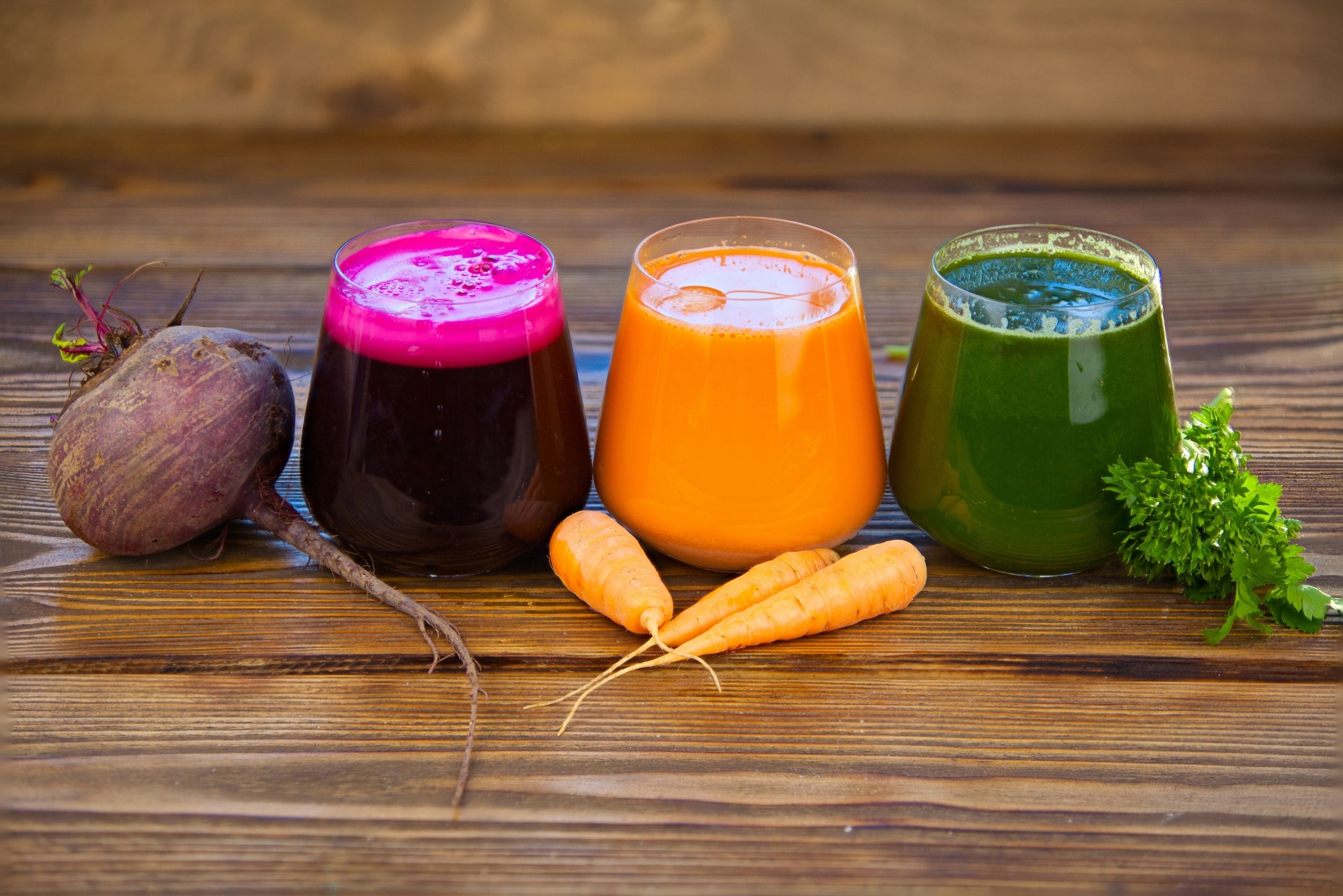
M0st people think about vegetable ingredients as something fixed and familiar – a carrot is a carrot, a beet is a beet. Turns out, they’ve been underselling themselves. Veggies are constantly evolving through selective breeding, new growing techniques and ongoing testing of varieties with different colour profiles, flavour characteristics and functional properties. The ingredient you used five years ago and the one available today might be quite different things. And that’s before you factor in what a more creative approach to formats and applications can unlock.
For food manufacturers, this ongoing evolution is an opportunity to get ahead. Think exciting reformulation – cleaner labels, added nutritional value, more exciting colours and flavours and products that feel new without requiring a complete overhaul of the production line. At the same time, producers are under pressure to reformulate efficiently, manage costs and avoid unnecessary supply chain disruptions.
That’s where vegetable ingredients can offer a surprisingly practical solution. Because innovation doesn’t always have to mean reinventing the wheel. Sometimes it’s simply about looking at familiar ingredients differently.
Rethinking reformulation
Reformulation is a hot topic in food manufacturing. Whether driven by sugar reduction targets, cleaner labels, changing consumer preferences or product innovation cycles, brands are increasingly being asked to improve products without losing the qualities consumers already love. Easy on paper but trickier in practice.
It’s here where veggies are overachievers, because they often do more than one job at once. Tomato, for example, can help bring natural sweetness and depth to sauces and dressings, while supporting sugar reduction. Pumpkin can contribute an appealing golden hue, texture and a naturally indulgent mouthfeel in soups or ready meals. Ginger adds warmth, complexity and a more contemporary flavour profile across both sweet and savoury applications. Meanwhile kale is still the king of natural health credentials – and does it all without sounding too functional to consumers.
What makes veggies so exciting to manufacturers is that they can easily be integrated into existing applications rather than requiring completely new product concepts or production lines. It’s about working smarter, not harder.
New crops on the block
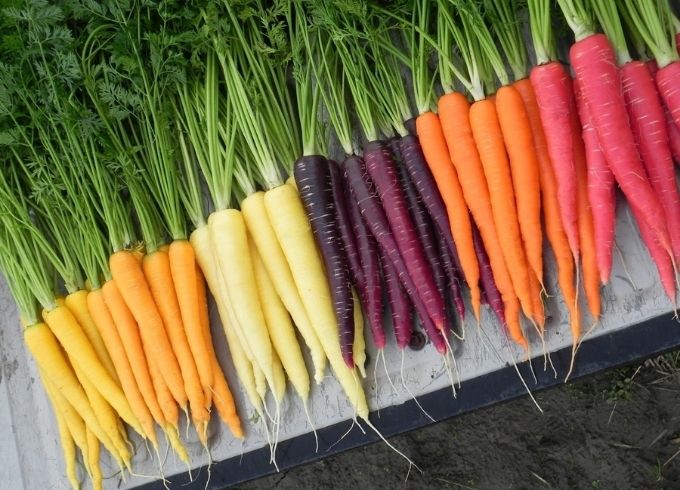
Consumers eat with their eyes first. Visual appeal matters – and is crucial for standing out on busy shelves and fridges. That’s what makes vegetables a product development dream. Natural pigments from veggies can help manufacturers create products that look bolder and more contemporary, while still aligning with clean label expectations. And the options available today are only continuing to grow.
Working closely with breeding houses, new carrot and red beet varieties are being developed with stronger, more vibrant colour profiles. There’s also a big push towards creating more resilient varieties that can better respond to challenges such as climate change, crop performance and yield consistency – all helping support longer-term supply reliability. Crucially, these developments aren’t coming at the expense of flavour or sensory quality. If anything, the aim is to maintain – or even improve – the sensory properties that make these ingredients so appealing in the first place.
In fact, innovation doesn’t have to look dramatic. A different format can completely change how a veggie performs in applications. A concentrate might bring flavour intensity and colour impact. A puree can add smoothness and body.
For manufacturers, this creates more flexibility when developing products that need to stand out visually without relying on artificial additives. These small shifts can have a big impact on shelf appeal and consumer perception.
Innovation starts in the field
None of this innovation happens by accident. Behind every vegetable ingredient is years of agronomy expertise, variety testing and close collaboration across the supply chain. At least it is for us at SVZ – this security of supply and strong agro and technical support means we can offer consistently high-quality ingredients. Ultimately, understanding how vegetables behave is what allows manufacturers to innovate with confidence, from field conditions through to final application.
As breeding programmes and growing techniques continue to evolve, the opportunities for producers will evolve alongside them. The next big product innovation might not require a completely new ingredient after all – it could just mean giving vegetables a second look.
Get in touch with our expert team to find out more: https://www.svz.com/contact/